


France attracts thousands of international students every year, and finding jobs in France for international students becomes a priority once you settle into your studies. Working while studying gives you financial stability, practical experience, and a deeper understanding of French professional culture. Whether you’re looking for part-time positions during the semester or full-time opportunities during summer breaks, the French job market offers various options tailored to student schedules and visa regulations.
Understanding where to look, which sectors hire students most frequently, and how to navigate work permit requirements makes the difference between sending countless applications and actually landing interviews. We’ve guided hundreds of students through this process, and the strategies that work remain consistent across cities and industries.
Understanding work regulations for international students in France
Your student visa typically allows you to work up to 964 hours per year, which equals roughly 60% of full-time employment. This regulation applies to most non-EU students holding a valid student residence permit. EU/EEA students face fewer restrictions and can work without limitations during their studies.
The French authorities track working hours carefully, so employers know these limits and structure contracts accordingly. Most student positions range between 15-20 hours per week during term time, expanding to full-time during official university breaks. Your university’s international office provides documentation confirming your enrollment status, which employers request during hiring.
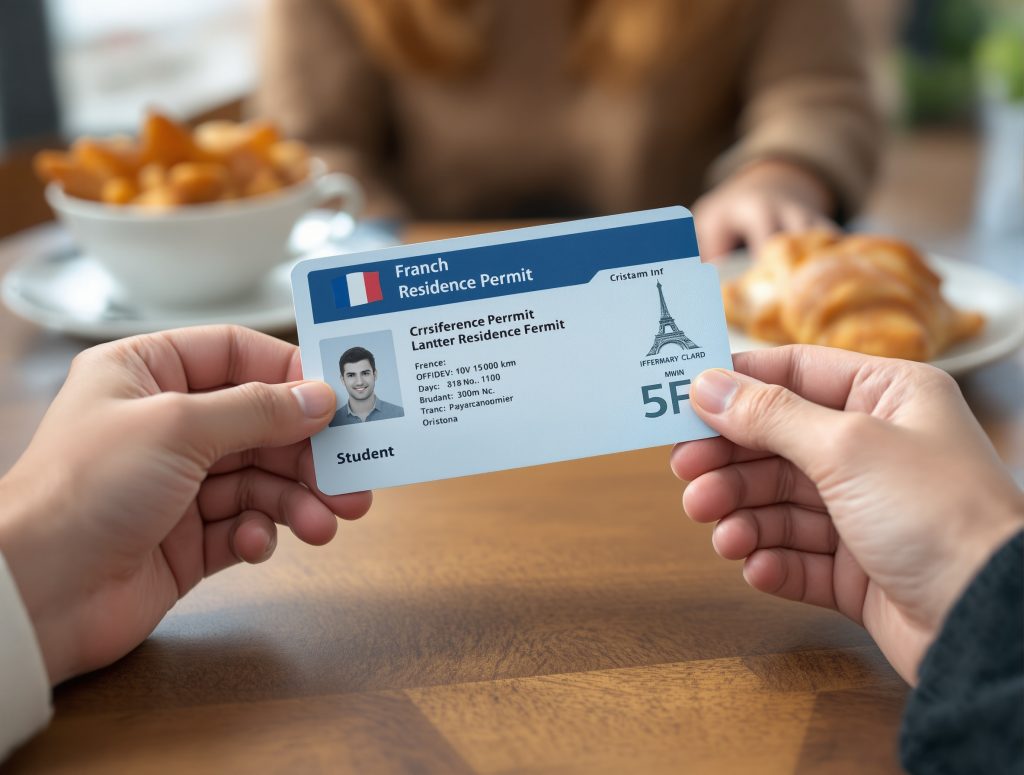
Before accepting any position, verify that your residence permit includes the mention “autorise à travailler” (authorized to work). Without this notation, you’ll need to apply for a temporary work authorization through your local prefecture, which takes 2-4 weeks. Starting work without proper authorization risks your student status and future visa applications.
Most accessible job sectors for students
Certain industries actively recruit international students because they value multilingual skills and flexible availability. Hospitality and tourism rank highest, especially in Paris, Lyon, Nice, and Bordeaux where international visitors create constant demand for English-speaking staff. Hotels, restaurants, and tourist attractions hire front desk agents, servers, tour guides, and customer service representatives.
Retail positions offer another reliable entry point. Major shopping districts and international brands seek sales associates who speak multiple languages. Fashion retailers, electronics stores, and department stores frequently post student-friendly positions with evening and weekend shifts that fit around class schedules.
Language teaching represents a particularly strong option for native English speakers. Private tutoring, conversation classes, and after-school programs pay well and allow you to set your own schedule. Many families seek tutors for their children, while professionals want to improve business English skills.
- Campus jobs including library assistants, research support, and administrative roles that understand academic calendars;
- Au pair positions providing accommodation and modest salary in exchange for childcare and light housework;
- Delivery services and food platforms offering flexible gig-economy options with immediate start dates;
- Startup internships in tech hubs like Paris and Toulouse seeking multilingual team members;
- Translation and content creation for companies expanding internationally;
- Call center positions for international companies with French operations requiring multiple languages.
Where to find jobs in france for international students
French job platforms differ from what you might know from other countries, and knowing where employers actually post student positions saves significant time. Start with specialized student job boards like JobAviz, Student.be, and Jobetudiant.net that filter specifically for part-time and student-compatible roles.
LinkedIn works effectively in France, particularly for internships and entry-level corporate positions. Build a profile highlighting your language skills and international background. French companies value diversity and international perspective, so frame your student status as an asset rather than a limitation. For those exploring broader European opportunities, our experience with english speaking jobs in germany optimizing your approach shows similar strategies apply across borders.
University career services maintain job boards exclusive to enrolled students, often featuring positions with employers who specifically want student workers. These offices also organize job fairs each semester where you meet recruiters face-to-face. Campus recruitment events provide networking opportunities that lead to positions not publicly advertised.
Physical job searching still matters in France more than in other European countries. Walking into restaurants, shops, and hotels with your CV during off-peak hours demonstrates initiative that French managers appreciate. This direct approach works particularly well in smaller cities and neighborhood businesses.
Creating application materials that work in France
French employers expect specific CV and cover letter formats that differ from international standards. Your CV should remain concise, ideally one page, with a professional photo in the top corner. List your education first, followed by relevant experience, language skills, and technical competencies. Include your nationality and residence permit status to address work authorization upfront.
The cover letter (lettre de motivation) carries significant weight in French applications. Keep it formal, structured in three paragraphs addressing why you’re interested in the company, why you’re qualified, and what you’ll contribute. Avoid casual language even for service positions, as French professional communication maintains formality regardless of sector.
Our Professional Cv Templates include France-specific formats that match local expectations. Using the right structure immediately signals that you understand French professional norms, which matters more than you’d think for first impressions.
Language creates the biggest barrier for many international students. If you’re applying for positions requiring French, have a native speaker review your materials. Even minor grammatical errors signal insufficient language proficiency and eliminate your application early in the screening process.
Maximizing your chances during application and interview
Timing your applications strategically increases response rates dramatically. September and January see the highest volume of student job postings as businesses prepare for increased academic-year demand. Submit applications 3-4 weeks before you’re available to start, as French hiring processes move slower than in countries like the Netherlands or Germany.
Follow up on applications after one week with a polite email reiterating your interest and availability for an interview. French employers appreciate persistence interpreted as genuine interest rather than desperation. If you don’t receive a response after two weeks, move forward with other opportunities rather than repeatedly contacting the same employer.
Interview preparation for student positions should emphasize reliability, language skills, and cultural adaptability. Prepare specific examples of times you’ve worked in team environments, handled difficult customers, or adapted to unfamiliar situations. French interviewers ask behavioral questions even for entry-level roles, so generic answers don’t differentiate you from other candidates.
- Research the company’s history and values to demonstrate genuine interest beyond just needing income;
- Prepare questions about training procedures, shift scheduling, and opportunities for increased responsibility;
- Dress slightly more formally than the position requires, as French professional culture values polished appearance;
- Arrive 10-15 minutes early and bring extra copies of your CV and residence permit;
- Send a thank-you email within 24 hours reaffirming your interest and availability.
Balancing work and studies effectively
Managing academic performance while working requires realistic scheduling and clear boundaries. Most international students underestimate how demanding French university programs become, particularly during exam periods. Start with fewer hours than your visa allows to assess how work impacts your study routine before committing to maximum hours.
Communicate your academic calendar to employers during hiring, especially exam periods when you’ll need reduced hours or temporary leave. French employers familiar with student workers expect these conversations and prefer upfront clarity to last-minute schedule conflicts. Build flexibility into your initial contract negotiation rather than requesting changes after starting.
Track your working hours meticulously using a simple spreadsheet or app. Exceeding your annual limit creates legal complications for both you and your employer, potentially affecting visa renewals. French labor inspectors conduct random checks, and violations carry serious consequences including deportation in extreme cases.
Prioritize positions that offer skills transferable to your field of study. A marketing student gains more from working in retail or hospitality customer service than from delivery driving, even if the latter pays slightly better. Your student job becomes a CV-building opportunity that strengthens future applications for graduate positions and internships.
Frequently asked questions about student jobs in France
Can I work full-time during summer holidays as an international student?
Yes, you can work full-time during official university breaks as long as you remain within your annual 964-hour limit. Most students save the majority of their allowable hours for summer when full-time positions pay significantly better than academic-year part-time work. Verify your exact break dates with your university’s academic calendar, as employers require written confirmation of your holiday period.
Do I need to speak French to find jobs in france for international students?
French language skills significantly expand your options, but English-only positions exist particularly in tourism, international companies, and language teaching. Basic French (A2-B1 level) opens doors to hospitality and retail, while professional environments typically require B2 or higher. Invest time in French classes not just for job opportunities but for daily life integration and long-term career prospects in France.
How much can I expect to earn working as a student in France?
Student positions typically pay minimum wage (SMIC), which stands at approximately €11.65 per hour in 2026. Working the maximum 964 hours annually generates around €11,230 gross before taxes and social contributions. Specialized positions like tutoring or technical internships pay €15-20 per hour, while au pair arrangements provide accommodation and €300-400 monthly pocket money instead of standard wages.
What documents do employers require when hiring international students?
Employers request your passport, student residence permit showing work authorization, proof of enrollment, French social security number, and bank details for salary payments. If you haven’t obtained a social security number yet, apply immediately upon arrival as the process takes 4-6 weeks. Some employers also require proof of address and a RIB (bank account details) issued by a French bank rather than international accounts.
Can student work experience in France help me stay after graduation?
Absolutely. France offers a one-year post-graduation residence permit (APS) allowing you to seek employment related to your field of study. Student work experience, especially internships and positions relevant to your degree, strengthens applications for permanent work permits and demonstrates cultural integration. Building professional networks during student employment often leads directly to graduate job offers from companies already familiar with your work ethic and capabilities.
Finding and securing jobs in france for international students requires understanding specific regulations, targeting the right sectors, and presenting yourself professionally within French cultural norms. The experience you gain extends far beyond financial benefits, offering language practice, professional networks, and cultural insights that enrich your entire study abroad experience. At Career Pack, we’ve helped countless international students navigate European job markets with practical tools and personalized guidance. If you’re preparing to work in France or elsewhere in Europe, contact us through our website to explore how our resources and expertise can accelerate your job search and improve your application success rate.