


Starting fresh in a new country feels exciting and overwhelming at the same time. You’ve landed a job, found a place to live, but the social part? That’s where most people struggle. Learning how to meet new people in Europe requires stepping out of your comfort zone, but the good news is that Europe offers endless opportunities to build genuine connections. You just need to know where to look and how to approach it without overthinking.
Whether you’ve moved to Berlin, Barcelona, or Brussels, the challenge remains similar: breaking into social circles that already exist. At Career Pack, we’ve helped countless professionals not just find jobs across Europe, but also settle into their new lives successfully. Meeting people isn’t just about filling your calendar with events — it’s about finding your tribe, building a support system, and creating a life you actually enjoy outside of work.
Why meeting new people matters more than you think
Your social network directly impacts your mental health, career progression, and overall satisfaction in your new country. Isolation creeps in fast when you spend evenings alone after work, scrolling through your phone instead of exploring your city. Research from the European Commission shows that professionals with strong local connections adapt faster, stay longer in their roles, and report higher job satisfaction.
Meeting new people in Europe also opens doors professionally. Many job opportunities never get advertised publicly — they circulate through personal networks first. The person you meet at a language exchange tonight might introduce you to your next employer next month. Social capital works differently in Europe compared to other regions, with informal networks playing a massive role in career advancement.
Beyond career benefits, having friends in your new city transforms your entire experience. Weekend trips become shared adventures instead of solo missions. You discover hidden restaurants locals actually visit. Someone helps you navigate bureaucratic nightmares that would otherwise drive you insane. These connections make the difference between surviving and thriving.
Start with language exchange meetups and conversation groups
Language exchanges rank among the easiest entry points for building connections in Europe. Cities across the continent host regular conversation nights where locals practice foreign languages with newcomers. You don’t need fluency — showing up willing to stumble through basic phrases actually works in your favor. People appreciate the effort and naturally want to help.
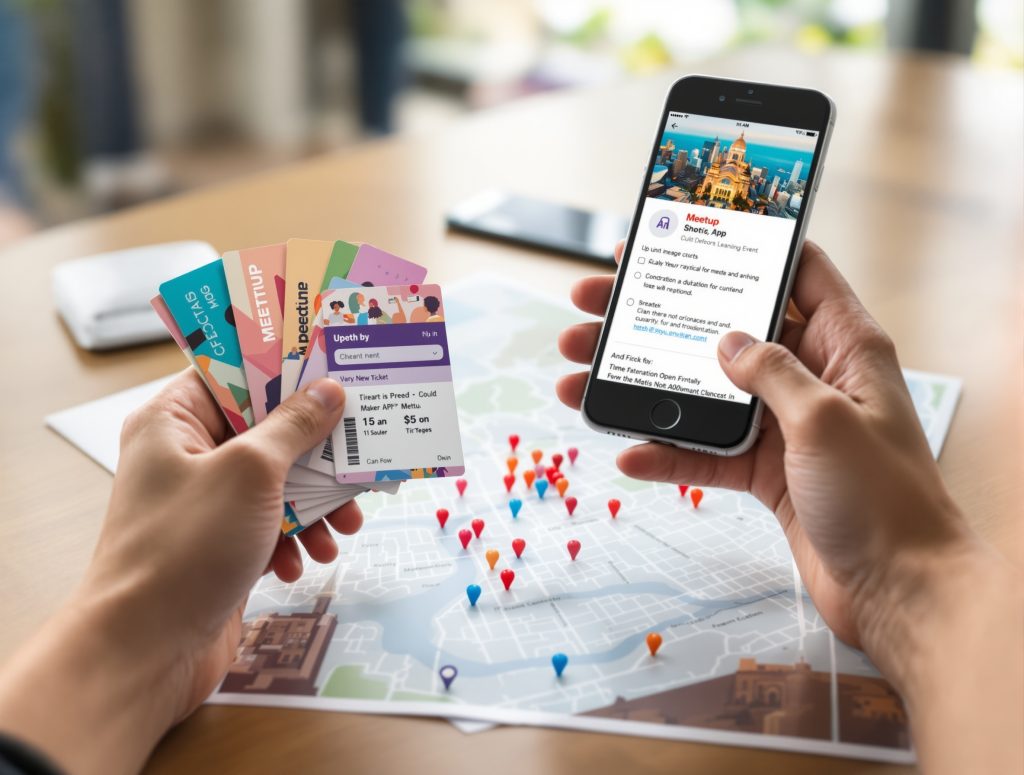
Platforms like Meetup, Tandem, and HelloTalk connect you with organized language events happening weekly. These gatherings attract a mix of expats and locals, all intentionally there to meet people. The structured format removes awkwardness: you’re expected to introduce yourself, switch conversation partners every twenty minutes, and ask personal questions without seeming intrusive.
- Join multiple groups before committing to one — every community has different vibes;
- Attend the same event at least three times before judging if it fits you;
- Offer to organize casual drinks after official meetups end;
- Exchange contact details with people you click with immediately;
- Follow up within two days with a specific plan, not vague promises.
Language practice naturally evolves into friendship when you consistently show up. The regular schedule creates familiarity, and shared vulnerability around making mistakes builds quick rapport. Within a month of attending weekly exchanges, you’ll recognize familiar faces and start making plans outside the official events.
Leverage your workplace for social connections
Your colleagues already share common ground with you: industry, schedule, and location. Many European companies organize social activities specifically to help employees connect beyond professional topics. Friday drinks, team sports, summer barbecues — these aren’t just corporate box-ticking exercises. They’re legitimate opportunities to meet people who might become actual friends.
Don’t wait for official events. Taking initiative shows confidence and creates opportunities faster. Suggest lunch with colleagues from different departments. Organize a casual drink after work on Thursday. Start a running group or book club. Most people want social connection but hesitate to initiate — when you make the first move, others appreciate it.
European work culture varies dramatically by country, affecting how you approach workplace friendships. Germans might seem reserved initially but become loyal friends once trust builds. Southern Europeans often blur professional and personal boundaries more easily. Understanding these cultural nuances, which we cover extensively in our Cultural Differences Course, helps you navigate social situations more effectively.
Remote workers face additional challenges since daily office interaction doesn’t exist. Coworking spaces solve this problem by providing built-in communities of freelancers and remote professionals. These environments specifically attract people seeking both productivity and social contact, making connections easier than traditional offices sometimes allow.
Sports clubs and fitness communities create instant bonds
Joining a sports team or fitness class removes the pressure of forced conversation while naturally building friendships through shared activity. Football clubs, running groups, yoga studios, climbing gyms — European cities offer countless options for every fitness level and interest. Physical activity releases endorphins, making social interaction feel more natural and less scripted.
Team sports particularly accelerate friendship formation because they require coordination, communication, and regular commitment. You can’t ghost a football team counting on you for Saturday matches. This built-in accountability ensures consistent interaction, which research confirms as crucial for transforming acquaintances into friends.
Many cities host recreational leagues specifically designed for adults wanting social connection rather than competitive glory. These leagues explicitly welcome beginners and prioritize fun over winning. Post-game drinks become standard practice, extending interaction beyond the playing field into casual socializing where deeper conversations happen.
Solo activities like running or swimming also offer community through clubs organizing group sessions. Parkrun events across Europe attract thousands of runners every Saturday morning for free, timed 5K runs followed by coffee. The format welcomes all abilities, and the regular schedule helps you build relationships with fellow runners over weeks and months.
Explore hobby-based communities and interest groups
Your existing hobbies and interests translate perfectly into meeting new people in Europe. Photography walks, board game nights, cooking classes, book clubs, tech meetups — specialized communities exist for virtually every interest imaginable. These groups attract people already aligned with your values and passions, creating stronger friendship foundations than random encounters.
Platforms like Meetup, Eventbrite, and Facebook Groups list thousands of niche communities organizing regular gatherings. Browse categories matching your interests, read event descriptions carefully, and commit to attending at least three sessions before deciding if a group suits you. First impressions don’t always capture a community’s true character.
- Choose activities you genuinely enjoy, not what seems most social;
- Volunteer to help organize events within groups you like;
- Suggest new activities or outings to existing communities;
- Create your own meetup if nothing matches your specific interest;
- Balance trying new groups with consistently attending favorites.
Creating your own group might sound intimidating, but it positions you as a connector and attracts like-minded people efficiently. Starting a monthly pub quiz for your industry, organizing neighborhood walking tours, or hosting board game nights in your apartment requires minimal effort but generates maximum social return. People remember and appreciate those who create opportunities for connection.
Volunteer work opens doors to meaningful relationships
Volunteering combines social connection with purpose, attracting people who value contribution over consumption. European cities desperately need volunteers for countless causes: refugee support, environmental projects, community gardens, animal shelters, cultural festivals, youth mentoring programs. These activities naturally foster deep connections because you’re working toward shared goals alongside people who care about similar issues.
The low-pressure environment of volunteering removes typical social anxiety. You’re focused on tasks rather than forced small talk, allowing friendships to develop organically through collaboration. Conversation flows naturally when you’re sorting donations together or planting trees in a community park.
Many organizations specifically welcome international volunteers, creating built-in communities of people navigating similar integration challenges. You’ll meet both locals and fellow expats, expanding your network across different backgrounds while contributing meaningfully to your new home. This dual benefit makes volunteering one of the most effective strategies for building connections while settling into European life.
Regular commitment matters here too. One-off volunteer days create pleasant experiences but rarely lasting friendships. Committing to weekly or monthly shifts with the same organization means you’ll see familiar faces repeatedly, enabling relationships to deepen naturally over time.
Navigate cultural differences when building friendships
Friendship timelines and social norms vary dramatically across Europe, affecting how quickly connections develop and what behaviors signal genuine interest. Understanding these differences prevents frustration and helps you adjust expectations appropriately. What feels like rejection might simply reflect cultural communication styles you haven’t learned yet.
Northern European countries often require more time and patience for friendships to develop. Finns, Swedes, and Germans might seem distant initially, but once they consider you a friend, loyalty runs deep and relationships last decades. Southern Europeans typically warm up faster, with more expressive communication and quicker progression from acquaintance to friend.
Social invitations work differently too. In some countries, “we should grab coffee sometime” means exactly that and requires follow-up from both parties. In others, it’s polite filler with no expectation of actual plans. Learning these nuances, which our Cultural Differences Course explores thoroughly, saves you from misreading signals and helps you respond appropriately.
Language barriers complicate connection regardless of your English proficiency, because many Europeans prefer speaking their native language in casual social settings. Investing time in learning basic phrases shows respect and effort, making locals more willing to engage. Even broken attempts at the local language open doors that perfect English sometimes doesn’t.
Use technology strategically without depending on it entirely
Dating apps aren’t just for romance anymore — platforms like Bumble BFF, Meetup, and Internations specifically target friendship and professional networking. These tools efficiently connect you with people in similar situations: newcomers seeking friends, professionals looking to expand networks, or locals wanting to meet international residents.
Create profiles that honestly represent your interests and what you’re seeking. Generic profiles attract generic responses. Specificity attracts compatible people: mention you’re obsessed with vintage markets, looking for tennis partners, or want recommendations for the best Vietnamese restaurants. Concrete details give people conversation hooks and reasons to reach out.
That said, technology should facilitate real-world connection, not replace it. Endless messaging without meeting in person wastes everyone’s time and prevents genuine friendships from forming. Suggest video calls or coffee meetings quickly, within the first few exchanges. People serious about making friends will appreciate directness rather than weeks of superficial chat.
Online communities also provide valuable starting points, especially city-specific Facebook groups and subreddits where residents share recommendations and organize meetups. These platforms help you discover events, ask questions about local life, and identify potential friends before meeting face-to-face. The combination of online discovery and offline interaction works better than either approach alone.
Create consistent routines that facilitate repeated interaction
Friendship requires repeated, unplanned interaction according to research from the Journal of Social and Personal Relationships. You can’t schedule intimacy — it develops through accumulated small moments over time. Creating routines that put you in the same physical spaces regularly increases chances of these moments happening naturally.
Become a regular at a specific café, always visiting the same market on Saturday mornings, or attending the same gym class every week. Familiarity breeds connection. Baristas remember your order, fellow gym-goers recognize your face, market vendors start conversations. These micro-interactions might seem insignificant, but they build social capital and sometimes evolve into actual friendships.
Consistency matters more than quantity. Attending one weekly event for six months creates stronger connections than attending six different events once. Depth beats breadth when building genuine relationships. People invest in friendships with those who stick around, not those constantly sampling new groups without committing anywhere.
This approach requires patience, which contradicts our instant gratification culture. You won’t make best friends after three weeks of attending a book club. But after three months of showing up consistently, having conversations, sharing opinions, and being present, friendships naturally emerge without forced effort.
Balance effort with authenticity when meeting people
Desperation repels people while genuine interest attracts them. This paradox creates challenges when you’re actively trying to meet new people in Europe but need to appear casual about it. The solution lies in focusing on activities you actually enjoy rather than attending events solely for networking purposes.
When you pursue interests authentically, you naturally attract compatible people without trying. Your enthusiasm becomes contagious, and conversations flow easily because you’re genuinely passionate about the topic. Forcing yourself to attend events that bore you just because they promise social opportunities rarely works — people sense when you’re not truly interested.
Setting realistic expectations prevents disappointment and helps maintain motivation. Not every event produces lasting friendships. Some nights you’ll meet nobody memorable. Other times you’ll click with someone immediately. This unpredictability is normal and doesn’t reflect on you personally. Keep showing up, stay open to connection, but don’t pressure yourself to befriend everyone you meet.
Quality matters infinitely more than quantity. Having three genuine friends who you trust and enjoy beats having thirty superficial acquaintances who don’t really know you. Focus energy on deepening connections with people you naturally vibe with rather than spreading yourself thin trying to maintain dozens of casual friendships that never progress beyond surface level.
Frequently asked questions about meeting new people in Europe
How long does it typically take to make friends in a new European country?
Most people report making initial acquaintances within the first month, but developing genuine friendships takes three to six months of consistent interaction. Cultural factors, language barriers, and your own effort level all influence this timeline. Northern European countries often require more time for friendships to develop compared to Southern European cultures where social warmth appears faster. Patience combined with regular participation in communities aligned with your interests accelerates the process significantly.
What if I’m introverted and find large social events overwhelming?
Introverts often build deeper friendships than extroverts because they invest more energy in fewer relationships. Choose smaller gatherings like book clubs, hobby workshops, or volunteer projects where meaningful one-on-one conversations happen naturally. Arrive early to events when fewer people are present, making initial interactions less overwhelming. Focus on quality connections rather than meeting everyone in the room, and give yourself permission to leave when social battery depletes. Many successful friendships in Europe start through quiet, shared activities rather than loud parties.
Is it harder to meet locals or other expats when living in Europe?
Both offer different advantages depending on your goals. Expats often become friends faster because you share common challenges of adapting to a new country, creating instant bonding material. They understand homesickness, bureaucratic frustrations, and cultural confusion firsthand. Local friendships typically develop more slowly but provide deeper cultural integration, language practice, and connections that outlast your expat phase. The ideal approach involves cultivating both groups rather than choosing one exclusively, creating a balanced social network that serves different needs.
Should I focus on making friends with people from my own country?
Connecting with compatriots provides comfort and shared cultural references, especially during initial adjustment periods when everything feels foreign. However, exclusively socializing within your national bubble limits growth and prevents genuine integration into European life. Balance matters here: maintain connections with people from home while actively pursuing relationships with locals and other internationals. This diversity enriches your experience and prevents the isolated expat syndrome where you live in Europe geographically but not culturally.
What are the biggest mistakes people make when trying to meet new people in Europe?
Giving up too quickly ranks as the most common mistake — people attend one or two events, don’t immediately make best friends, and conclude the approach doesn’t work. Friendship requires repeated interaction over time, not instant chemistry. Other mistakes include only attending events without following up with individuals, staying glued to fellow expats without meeting locals, expecting others to do all the initiating, and choosing activities based on networking potential rather than genuine interest. Authenticity and consistency solve most of these problems naturally.
Building a social network in a new European country takes intentional effort, but the results transform your entire experience abroad. Meeting new people in Europe becomes easier once you understand that friendship develops through consistent participation in communities aligned with your authentic interests. Whether through language exchanges, sports clubs, volunteer work, or hobby groups, opportunities exist everywhere if you’re willing to show up regularly and invest in relationships beyond surface-level interaction. We’ve guided thousands of professionals through not just career transitions across Europe, but also the social integration that makes those moves sustainable long-term. If you’re planning a move or struggling to build connections in your current European city, reach out to us through our contact page. We’ll share specific strategies tailored to your situation, connect you with resources that accelerate integration, and help you build the social foundation that turns a foreign country into home.